Creators & Partners
Vitra x IWC – Form, Function and Design.
A Dialogue between Chief Design Officers Christian Grosen and Christian Knoop.
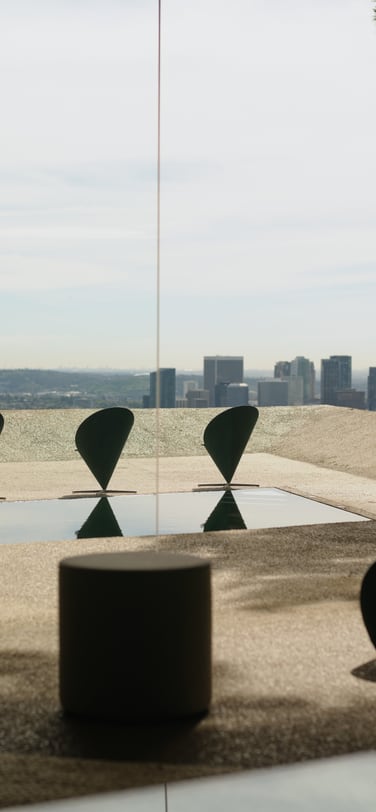
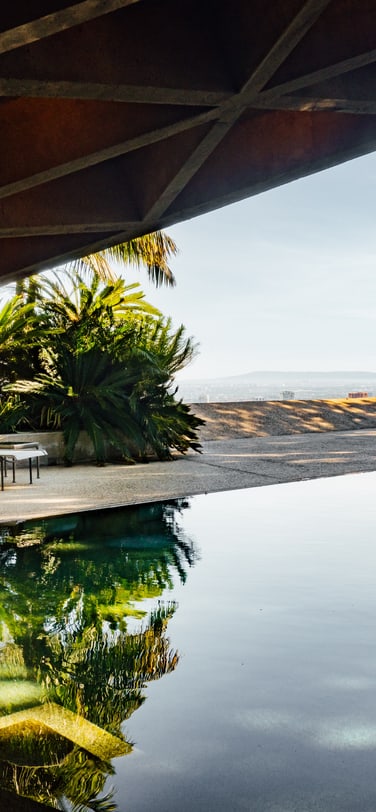
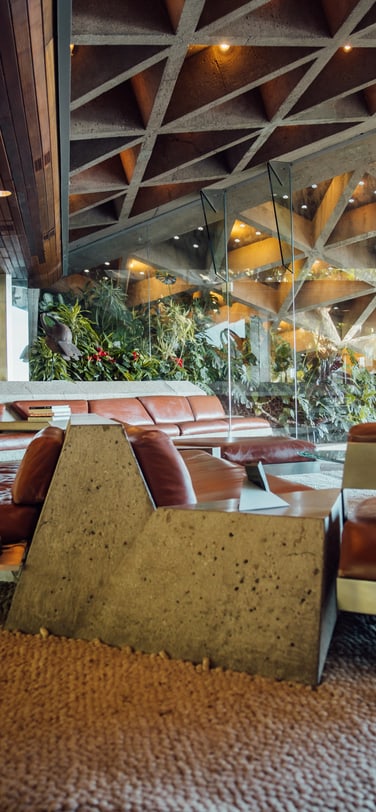
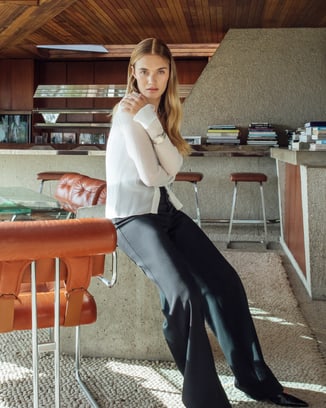
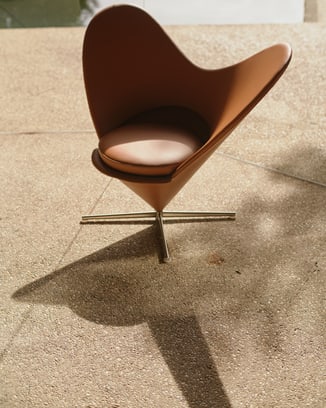
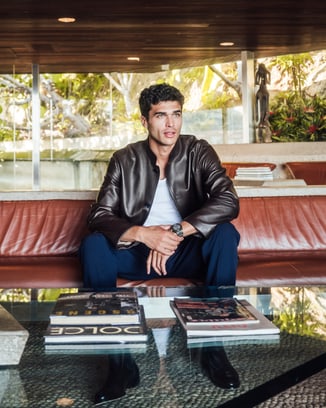
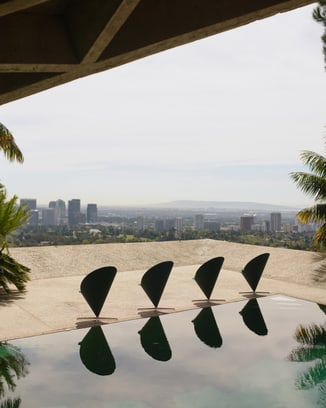
A recent IWC event in Los Angeles brought together a seemingly unlikely pair: the latest IWC Ingenieur collection, inspired by Gérald Genta’s iconic Ingenieur SL Ref. 1832, and a selection of Vitra furniture, including Verner Panton’s Cone Chair and Heart Cone Chair. Set against the dramatic modernist backdrop of John Lautner’s Sheats-Goldstein Residence, the pairing raised an obvious question: what do a watch- and furniture manufacturer have in common?
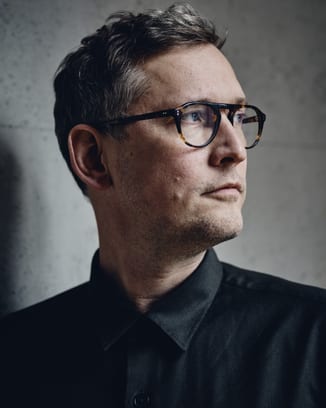
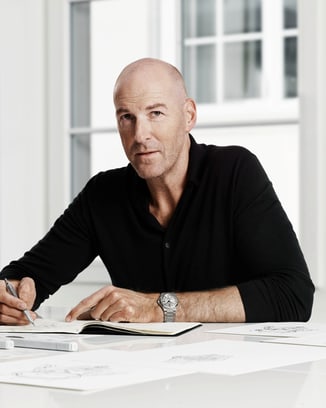
To find out, the IWC Journal sat down with Vitra Chief Design Officer Christian Grosen and IWC Chief Design Officer Christian Knoop. Their conversation ranged from timeless design and architecture to Dieter Rams “Ten Principles of Good Design”, and the enduring relationship between Form und Technik that defines IWC’s design philosophy.
Dieter Rams And The Emotional Aspect of Good Design
Based on the question, “What is good design?”, Dieter Rams formulated his famous “Ten Principles of Good Design.” If he asked the same question today, would the answer be different?
Christian Grosen: If you talk about physical products, the ten principles are surprisingly intact and still relevant. Rams focused on rationality and restraint. But today “design” is much broader than back then. I miss the emotional aspects of a product in his principles. Today people often choose products because of identity, meaning, a sense of belonging, or aspiration.
Christian Knoop: For me, the vaguest and most challenging term in his principles is “minimal”. It can be interpreted as, “leave everything else away.” As Christian said, the emotional aspect is important. This might be extra material or an extra detail that brings emotional relevance and connection to a piece.
This is true especially in our industry. The mechanical watch is not the most minimal solution for reading time, but it has great value in tradition, craftsmanship, and brand. So, I rather use the term “pure” because it focuses on what is relevant. It leaves room to what matters to the brand and the customer.
Fundamental Human Need
Some designs remain relevant for decades while others disappear after a few years. What separates enduring design from successful design?
Knoop: What makes a design enduring is a concerned qualitative use of material and technology, but also a strong recognizability and identity. It's something that sticks in people's minds. We are flooded with new designs and products every day. What in the end makes a difference between a simply beautiful and a successful product is its character, by which it can be identified with and remembered.
Grosen: Enduring products address a fundamental human need that goes beyond trends. Something that lasts over time. It’s the skill and ability to discover these fundamental needs, whether they’re functional or emotional. The identity of a product is crucial today because there are so many good products out there. What makes one better than another? It's the way you connect to that product.
It’s often connected to the discovery of a new technology or a new material that is groundbreaking and changes the way people perceive or interact with a product. At least we saw that in the furniture industry in the post-war period as there were new technologies and ways of combining existing technologies, like using plywood or foam that suddenly brought something completely new and has set the agenda since.
Knoop: Similarly in the watch industry, the Da Vinci Perpetual Calendar offered a completely new movement technology. Or Reference 3705 from the 1990s - the first all-black Pilot’s Watch in ceramic. These were new materials and new functions that really helped a product become iconic and an important milestone.
What’s important is to try to see the mega trends instead of the more short-lived trends. Zooming out and try to have a helicopter perspective on what's actually happening in society over a longer time span is super important to ensure endurance in products. That’s not easy, but we try.

Balancing Form und Technik
The most enduring designs often emerge from a dialogue between creative ambition and technical constraints. How do those forces interact in your work?
Grosen: For me, engineering and design always go hand in hand. Sometimes a technical invention becomes a catalyst for further development, but sometimes it's a design vision that evolves in dialogue with the engineering teams. Either way, at Vitra, design and engineering merge seamlessly at the end of a successful product.
Knoop: I see it the same way. I'm a big fan of finding a healthy balance between form and technology. When we develop new products, lots of different disciplines are involved. Not just designers and watchmakers, but also experts from industrialization, purchase, and customer service. This sometimes creates friction, but they all bring important insights to the table that help us deliver a more qualitative, mature, and market- and customer-focused product.

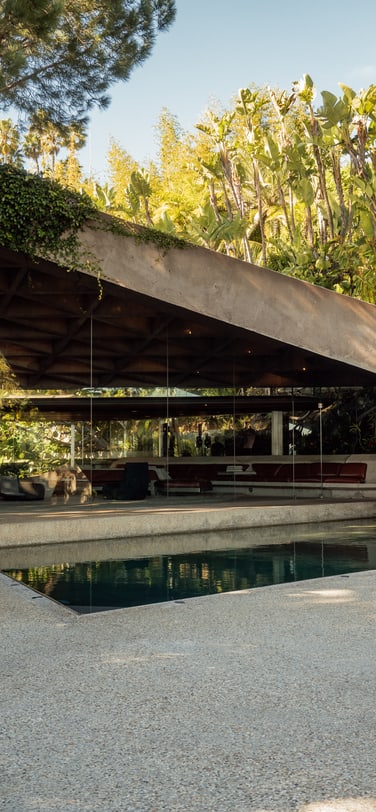
Architectural Immersion
What is the importance of architecture for your respective industries?
Grosen: It’s difficult to talk about furniture without considering its context, which is often defined by the surrounding architecture. So, it’s a very important source of inspiration, but also something we have to relate to all the time when designing furniture.
We look to modern architecture to learn what a modern flat looks like today. The layout is very different from 50 years ago, so that may call for new furniture typologies. At Vitra, we have a campus with facilities and the Design Museum that are designed by famous architects like Frank Gehry, Zaha Hadid, Tadao Ando, or Herzog & de Meuron. Architecture is crucial for the way we work and think about in our products.
Knoop: For me, architecture first and foremost has an immersive quality, which our products lack because you can't walk into a watch. But you can walk into a building and experience it with all your senses. That's very intense. And fascinating. This is why I'm personally fascinated with architecture because it touches you in so many ways. It really does something with your entire body when you walk into a space that either fascinates or scares you. And it can evoke very strong emotions.
The architecture of a boutique, flagship store, or travelling exhibition allows you to get immersed in a brand. I can see firsthand that it does something with our guests when they enter our 150-years-old headquarters building, or our eight-year-old manufacturing center. It’s an important way to tell our brand story and show who we are.
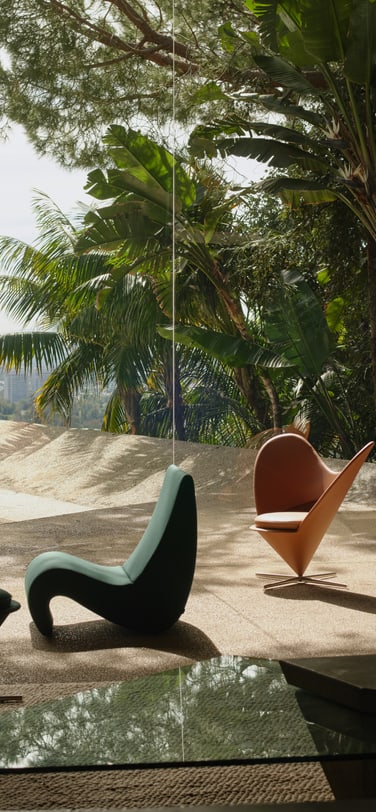
The Special Role of Materials
Great designers often speak about material almost as if they were a collaborator. What role do materials play in shaping the identity of a design?
Grosen: Materials are pivotal. They influence the whole experience of a product, its texture, weight, strength, temperature of the material, and haptic experience. A piece of furniture is something you really feel with your body, and you touch it, or you feel the softness. The same applies to the sound of a material. If you knock on PP instead of polycarbonate, it's two completely different experiences. You immediately feel whether it's quality or fake. So yes, materials are like collaborators.
Knoop: Materials play a special role in products meant to last for decades, or generations even. We have extreme requirements for durability and quality of our materials. So, to integrate new materials into our products requires intense, long-term testing. How do I test a material that is supposed to last for 100 years? We often work with traditional and proven materials that fulfill that promise into the future.
IWC is known as a material innovator. We were the first brand to introduce colored ceramics in the 1980s, and we have been pioneering titanium watches together with Ferdinand Alexander Porsche in the 1980s. Both of these tech materials, titanium and ceramics, continue to play a very important role for us. We have expanded towards other titanium alloys and created a proprietary material, Ceratanium®, which combines the characteristics of titanium and ceramics in one material; we have developed Ceralume®, a fully glowing ceramic material; and CMC , a ceramic matrix composite material, in cooperation with the German space agency, DLR. So, material innovation plays a very important role in our legacy, but also for the future.
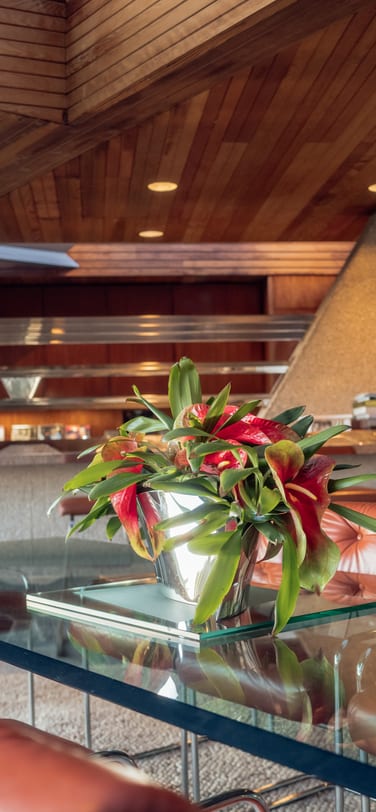
Part of a Personal Story
What makes people form a lasting emotional relationship with certain objects?
Grosen: The more you connect with a product over time, the more it becomes part of your personal story. It has nothing to do with monetary value but with your life with that product.
Knoop: The fact that it is so subjective and so individual is the most beautiful and fascinating aspect of it. Our customers talk very individually about the same product of our historic or current collections. For me, this shows that people see very different things in the same products. This emotional connection is fascinating and very motivating to see.
Imagine someone encounters one of your designs fifty years from now. What do you hope they will say about it?
Grosen: Well, I hope they will say that it's still relevant and meaningful to them, and hopefully it has grown into something that they connect to emotionally and that they wouldn't think of letting go. That would be great.
Knoop: As designers, we get up every morning hoping to design an icon that will last for 50 years or longer. Let's see about that.
FAQ
What is the connection between IWC and Vitra?
IWC and Vitra share a commitment to timeless design, exceptional craftsmanship, and the belief that functional objects should combine technical excellence with lasting aesthetic value. Both brands celebrate innovation rooted in design heritage, creating products that are meant to endure for generations rather than follow short-lived trends.
What is the concept of "Form und Technik" and its significance for IWC?
"Form und Technik" is the core concept and claim for IWC's Ingenieur line, representing the fusion of design ("Form") and engineering ("Technik"). This approach, exemplified by the Ingenieur combining Gérald Genta's design with IWC's technical expertise, aligns with Dieter Rams' "10 Principles of Good Design" and IWC's overall design philosophy.
How do Gérald Genta’s designs and the Goldstein Residence reflect IWC’s brand identity?
Gérald Genta’s watch designs and the Goldstein Residence focus on clean lines, thoughtful engineering, and lasting design. Both show how innovation and craftsmanship can work together to create timeless pieces. These qualities closely reflect IWC Schaffhausen’s approach to watchmaking, where technical precision and purposeful design go hand in hand.